Start in the loft, not on the roof
The safest place to begin is inside. Take a torch into the loft during or just after rain and look above the stained area, then follow any wet timber or felt uphill towards the ridge.
- Dark, damp or stained rafters and felt
- Daylight showing through the roof covering
- Wet or flattened insulation
- Drips or tide marks on the chimney breast or party wall
Check the usual suspects from the ground
Most roof leaks come from a short list of weak points. Use binoculars from the garden or the street instead of a ladder.
- Slipped, cracked or missing tiles and slates
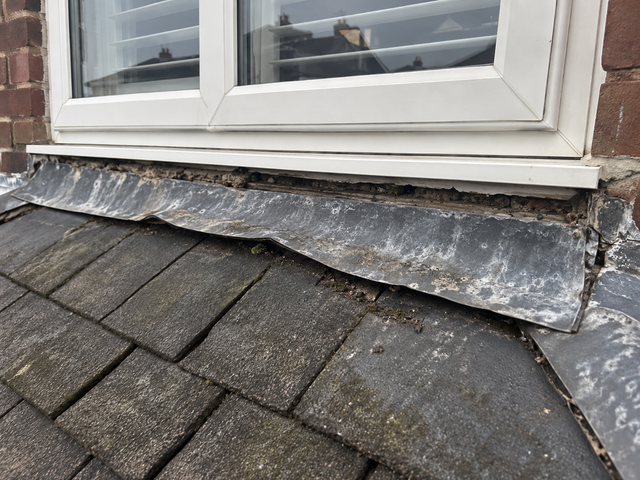
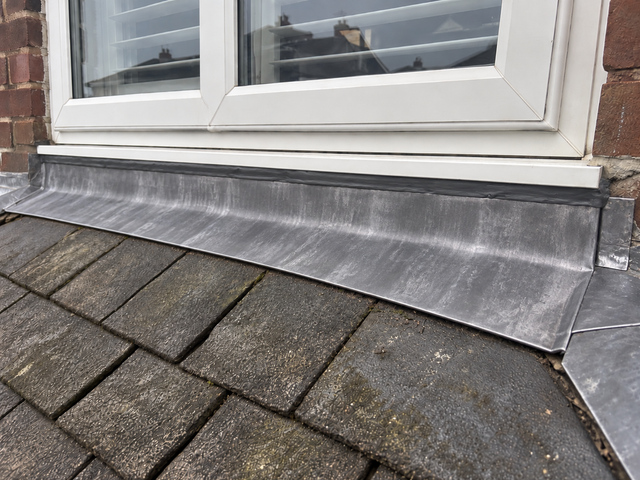
- Lead flashing that has lifted around chimneys, walls and dormers
- Loose ridge or hip tiles with crumbling mortar
- Blocked or overflowing gutters and valleys
- Cracked felt, ponding water or split seams on flat roofs
Leaks that only appear in certain weather
If it only leaks in wind-driven rain, suspect flashing, ridge tiles or the verge at the gable end. If it leaks in any steady rain, a broken tile, a failed valley or a flat roof is more likely. Damp that appears in cold weather with no rain at all is often condensation in the loft, which is a ventilation problem and not a roof leak.
What to do while you wait for a repair
- Put a bucket under the drip and move furniture and electrics out of the way
- If a ceiling is bulging with water, keep clear of it
- Take photos of the damage inside and out for your insurer
- Do not climb onto a wet roof
When to call a roofer
If you cannot see the cause from the loft or the ground, or the leak is near electrics, call a roofer. A proper repair starts with tracing the leak to its source, so the fix deals with the cause and not just the stain.